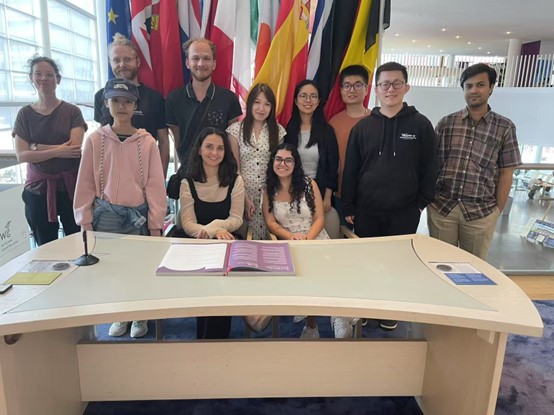
PhD Candidate Yangkai Jin Participated in the 2025 Maastricht University Summer School Program in the Netherlands
From July 7 to July 11, 2025, Maastricht University hosted a summer school program themed “Global Governance Transformation for a World in Transition,” providing an academic platform for early-career researchers from around the world to engage in in-depth discussions on pressing issues in global governance. The course aimed to guide participants in systematically and comprehensively understanding the challenges and potential reform paths facing global governance systems in the context of a rapidly evolving international order. It offered students the opportunity to gain a solid grasp of key theoretical frameworks and real-world policy dilemmas, while expanding their research horizons and analytical capacities in this field. At the invitation of Maastricht University, PhD candidate Yangkai from our institute participated in this program at Maastricht University.
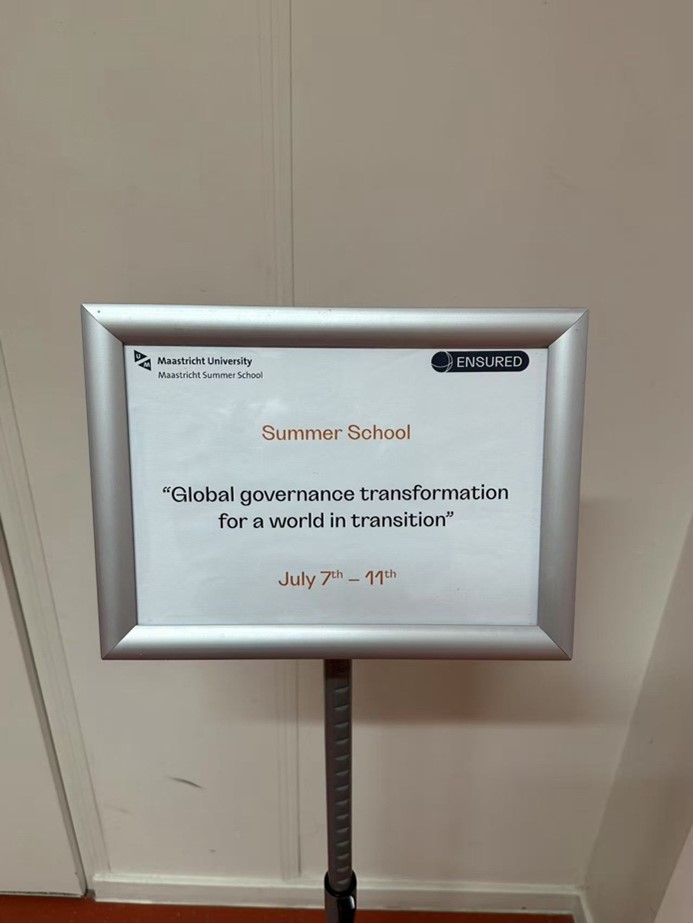
This summer school brought together leading scholars and experts affiliated with the ENSURED project. The course focused on a range of critical topics, including transformations in global governance, climate change and sustainability, migration and human rights, global health governance, international trade, global challenges related to security, and EU support for global governance. Through these themes, early-career researchers engaged in in-depth reflection on the effectiveness, resilience, and democratic legitimacy of global governance institutions.
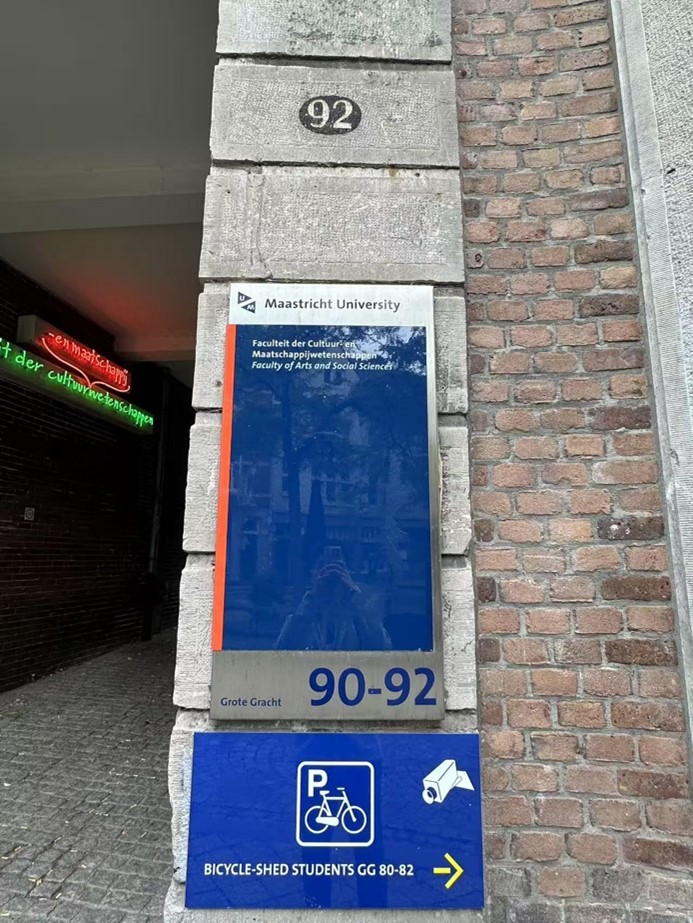
Throughout the week, Yangkai actively participated in discussions with scholars and early-career researchers from diverse national and academic backgrounds. These exchanges not only broadened his global perspective but also deepened his understanding of multilateral institutions. He gained a systematic overview of the key challenges currently facing global governance and critically examined the possible pathways and policy dilemmas involved in institutional reform.
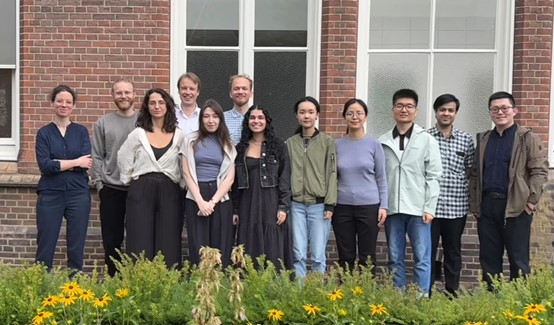
Through this intensive academic experience, Yangkai acquired cutting-edge theoretical and practical insights in the field of global governance, expanded his international outlook, and laid a solid foundation for future academic research. At the same time, this valuable opportunity inspired deeper reflection on how he might contribute—through his future career—to the advancement of a more robust, effective, and democratic global governance system.