The Institute Co-organizes a Hongqiao Forum Session at the Ninth China International Import Expo and the 2026 Forum on International Organiz
On November 5, the session “High-standard Opening-up for Better Lives: Global Flavors on Chinese Tables” was held in Shanghai as part of the Ninth Hongqiao International Economic Forum. Hosted by the Ministry of Commerce and co-organized by China Media Group’s Agriculture and Rural Affairs Programming Center and WTO Chair at UIBE, it attracted nearly 300 government representatives, international organization leaders, agri-food executives, and scholars. UIBE President Wu Weixing delivered remarks, and Prof. Tu Xinquan chaired the roundtable. Under Prof. Tu’s overall coordination, the China Institute for WTO Studies undertook preparations and conference services for the session.
President Wu Weixing used changes in everyday diets to illustrate the close relationship between high-standard opening-up and people’s well-being. Foods that were rare little more than a decade ago, he said, are now available in ordinary supermarkets. As the world’s largest agricultural importer, China brings flavors from around the globe into millions of households, demonstrating tangible improvements in everyday life. Import competition also encourages domestic producers to improve quality and develop brands. The growing variety on people’s dining tables reflects how the benefits of opening-up translate into a better quality of life.
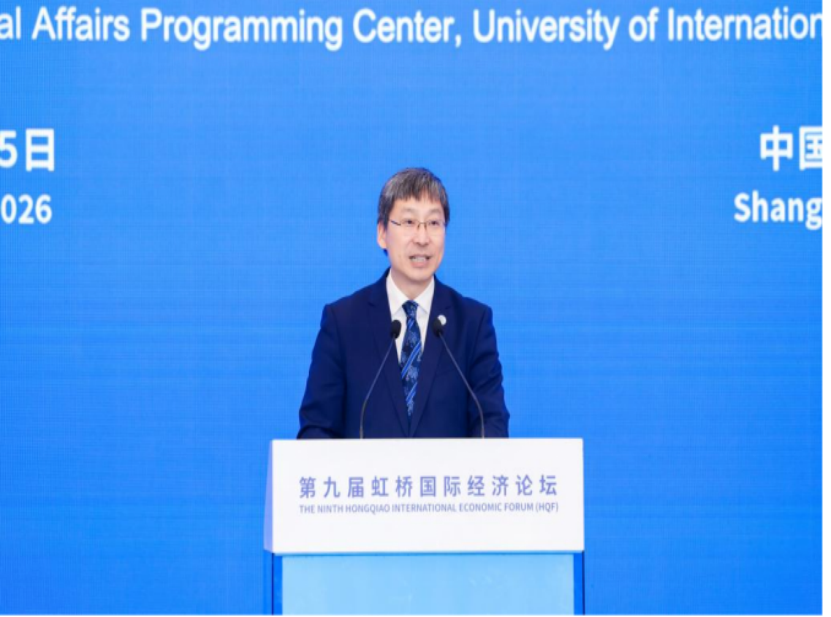
The session featured keynote speeches, practical experience sharing, and a roundtable on agri-food import trends, trade facilitation, supply-chain integration, and food-system resilience. Guests including former Vice Minister of Commerce and former WTO Deputy Director-General Yi Xiaozhun and China Customs Society President Wang Lingjun discussed how China’s WTO accession, expanding agri-food imports, and smart customs development have improved people’s lives. Representatives from international organizations, research institutions, industry associations, and agri-food businesses drew on agricultural technology cooperation, global sourcing, and supply-chain development to explore opportunities and pathways for quality international products to enter China.
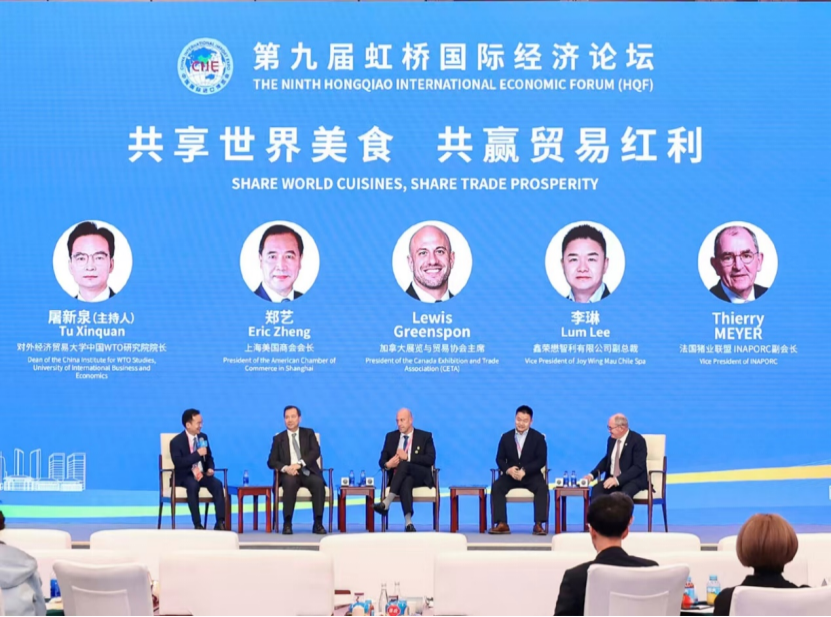
Prof. Tu Xinquan chaired the roundtable “Sharing Global Flavors and the Benefits of Trade.” Speakers included Zheng Yi, President of the American Chamber of Commerce in Shanghai; Louis Greenspoon, Chairman of the Canadian Association of Exposition and Trade; Yu Jianbo, President of the New Zealand Cross-border Trade Promotion Association; Li Lin, Vice President of Joy Wing Mau Chile; and Meierte, Vice President of INAPORC. Using Canadian lobster, New Zealand dairy products, and French pork, they shared experiences of bringing quality foods to Chinese households and creating mutual benefits through agricultural trade. The discussion considered both Chinese consumers’ increasingly diverse preferences and the opportunities China’s market offers its trading partners. It highlighted trade’s role in connecting producers and consumers across borders. Dean Tu brought together perspectives from different countries and industries, creating space to explore deeper agri-food cooperation.
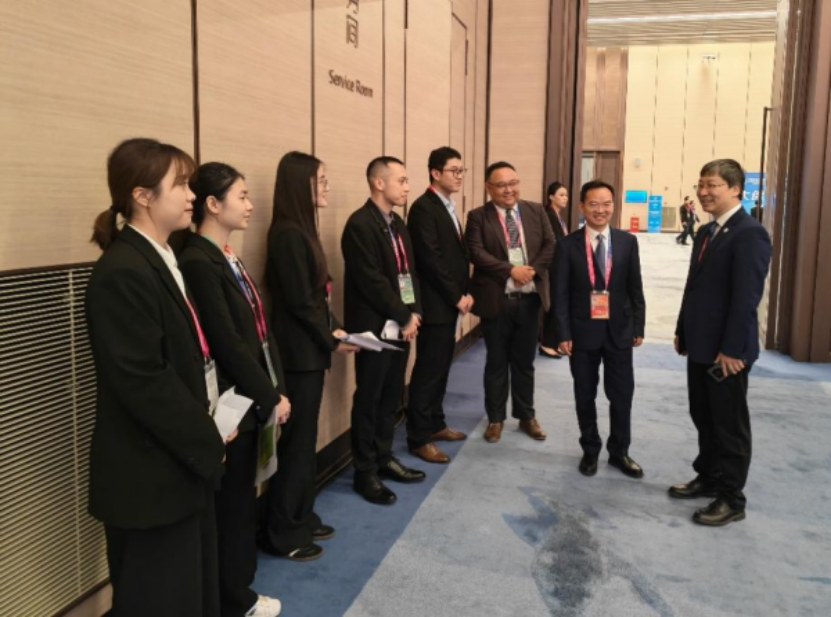
The successful session reflected the combined efforts of the Institute’s faculty and students. The Institute supported preparations and on-site organization, with student volunteers handling credentials, guiding guests, and providing translation. Their attentive service helped the event run smoothly and gave them a deeper understanding of high-standard opening-up and international economic cooperation through direct participation.
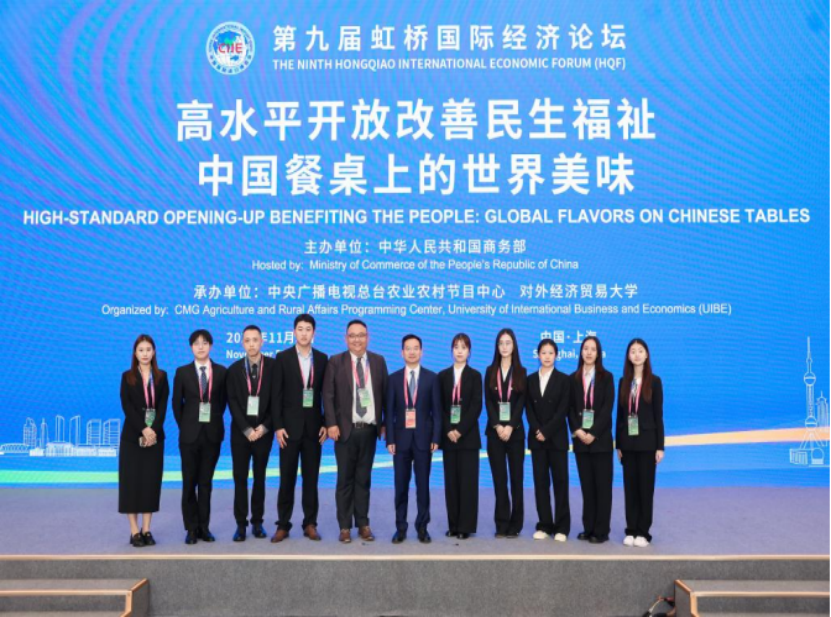
During the forum, President Wu Weixing and Dean Tu Xinquan visited the student volunteers, thanked them for their time and effort, and commended their dedication and professionalism. Co-organizing the session gave the Institute an opportunity to apply its expertise in international trade in support of high-standard opening-up, while broadening opportunities for faculty and students to engage internationally and understand industry developments. The Institute will continue to combine academic research with cooperation and exchange, address practical questions arising from opening-up, and contribute to international economic and trade cooperation.
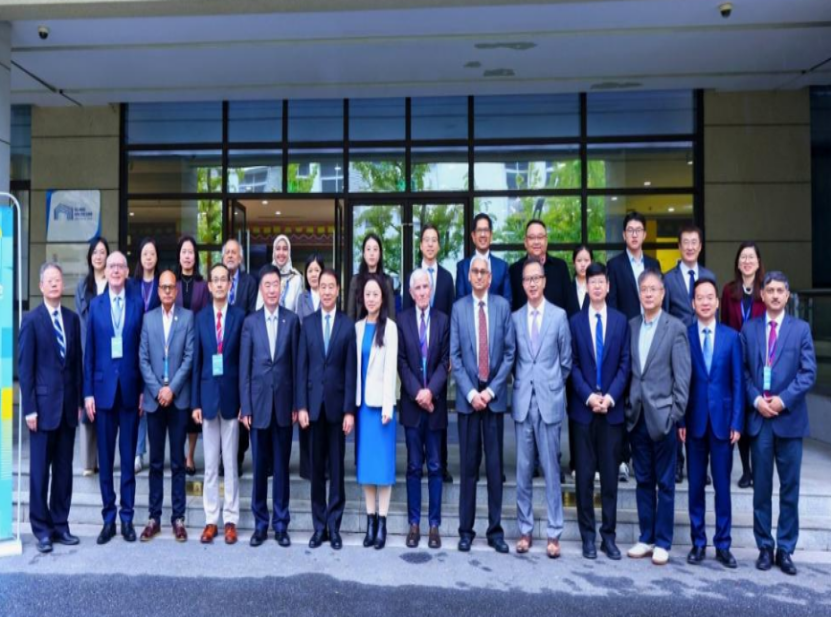
On November 7 and 8, the “2026 Forum on International Organizations and Global Governance and WTO Asia-Pacific Chairs Annual Meeting,” co-organized by the Institute, the School of International Organizations (School of Trade Negotiations) at Shanghai University of International Business and Economics (SUIBE), and other partners, was successfully held at SUIBE. Invited participants included former Vice Minister of Commerce Yi Xiaozhun; Ma Jianchun, President of the China Society for World Trade Organization Studies; Harish Iyer, Head of the WTO Chairs Programme team within the Technical Assistance, Coordination and Partnerships Section of the WTO Institute for Training and Technical Cooperation; Liu Liya, President and Deputy Party Secretary of SUIBE; Peter van den Bossche, former WTO Appellate Body member and member of the WTO Chairs Programme Advisory Board; and Clemens Boonekamp, former Director of the WTO Trade Policies Review and Agriculture Divisions and member of the Programme’s Advisory Board. WTO Chairs and representatives from India, Peru, Indonesia, Vietnam, Qatar, Nepal, Pakistan, and other countries also attended. UIBE was represented by WTO Chair and Dean Tu Xinquan, co-chair Professor Ji Wenhua of the Law School, WCP Coordinator at UIBE Mr. Gao Jian, and master’s students Han Qiyue and Jiang Linli.
On November 7, scholars from China and abroad discussed synergies in curriculum development, research and knowledge sharing, and partnerships among Asia-Pacific Chairs to strengthen collaboration across the regional WTO Chairs network. In the roundtable on research and knowledge sharing, Dean Tu Xinquan presented the Institute’s approaches to WTO-related research and policy advice.
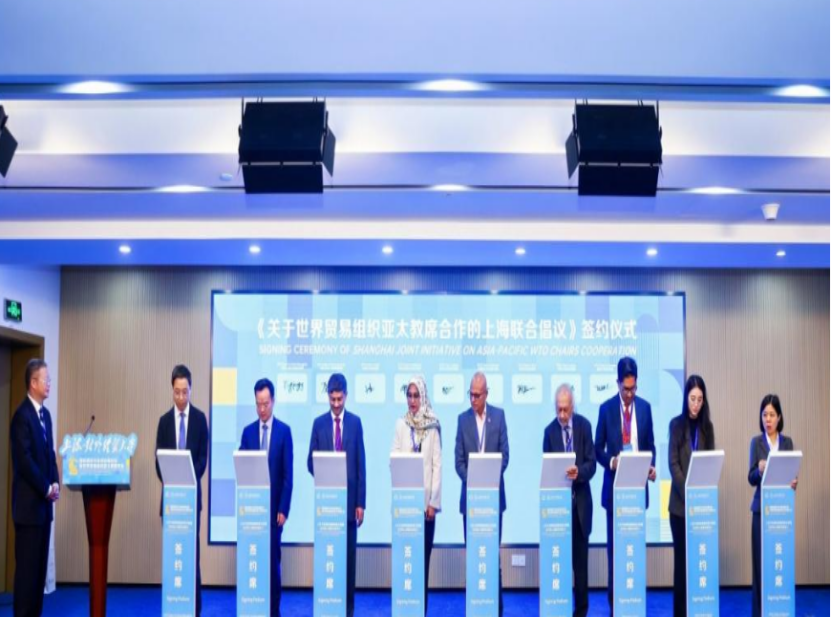
On November 8, participants discussed WTO reform, the reshaping of international trade rules, the 25 years since China’s WTO accession, and changes in global governance, seeking a fairer and more equitable international economic and trade order. A signing ceremony for an Asia-Pacific Chairs cooperation initiative was also held, marking a move toward practical collaboration in Chair development and regional think-tank cooperation.
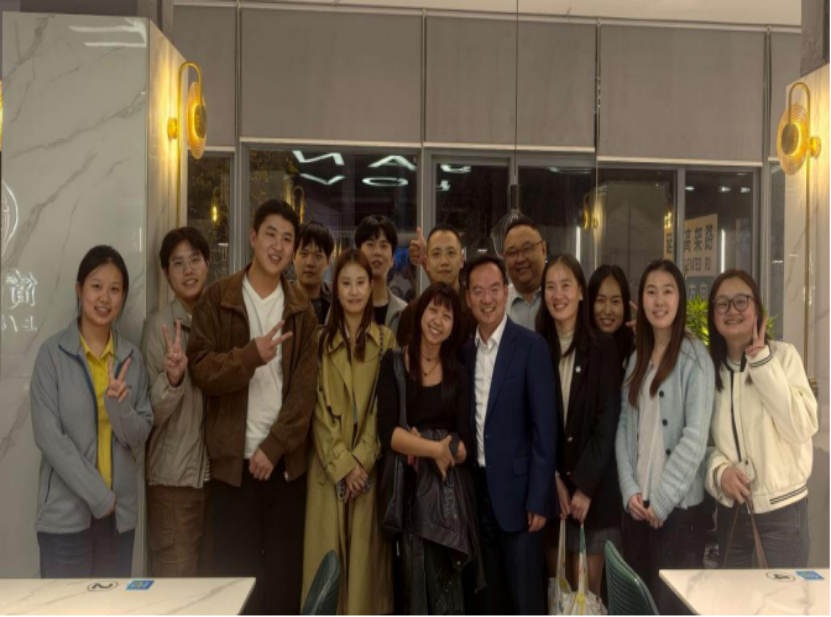
During his time in Shanghai, Prof. Tu Xinquan also visited domestic and international alumni working, living, or pursuing doctoral studies in Shanghai and Suzhou. He conveyed the Institute’s warm greetings and continuing support, further strengthening its ties with graduates.