

Prof. Tu Xinquan and Prof. Li Siqi paid a visit to Brazil for Academic Conferences
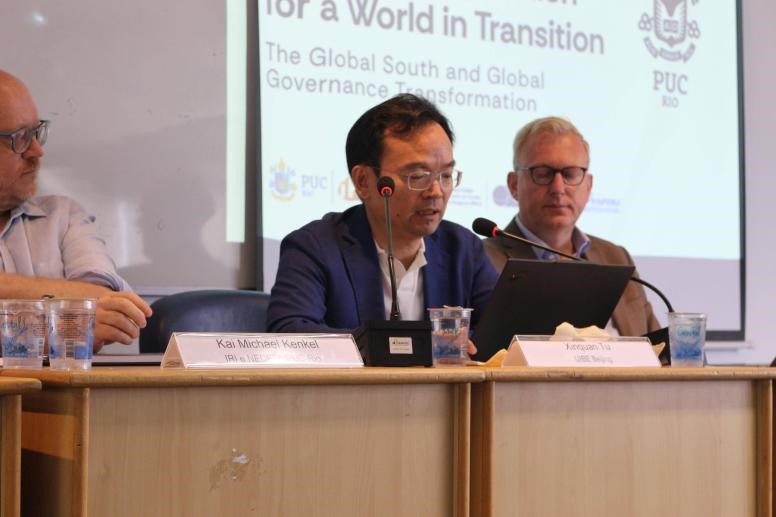
From November 5 to 10, 2025, WTO Chairholder at UIBE, Prof. Tu Xinquan and team member Prof. Li Siqi from attended an academic conference in Brazil. From November 5 to 8, they participated in the academic seminar titled "Shaping a Collaborative Future: Developing Countries and the Transformation of Global Governance," held in Rio de Janeiro, Brazil. The conference was organized by the EU Horizon Project, bringing together experts and scholars from Europe, China, and Brazil. Prof. Tu Xinquan and Prof. Li Siqi were invited to share their insights on key issues such as global governance and international trade. During the seminar on "Transformation of Global Governance," Prof. Tu Xinquan delivered a keynote speech, elaborating on the main challenges facing the current international trade governance system and offering perspectives on the path and prospects for WTO reform.

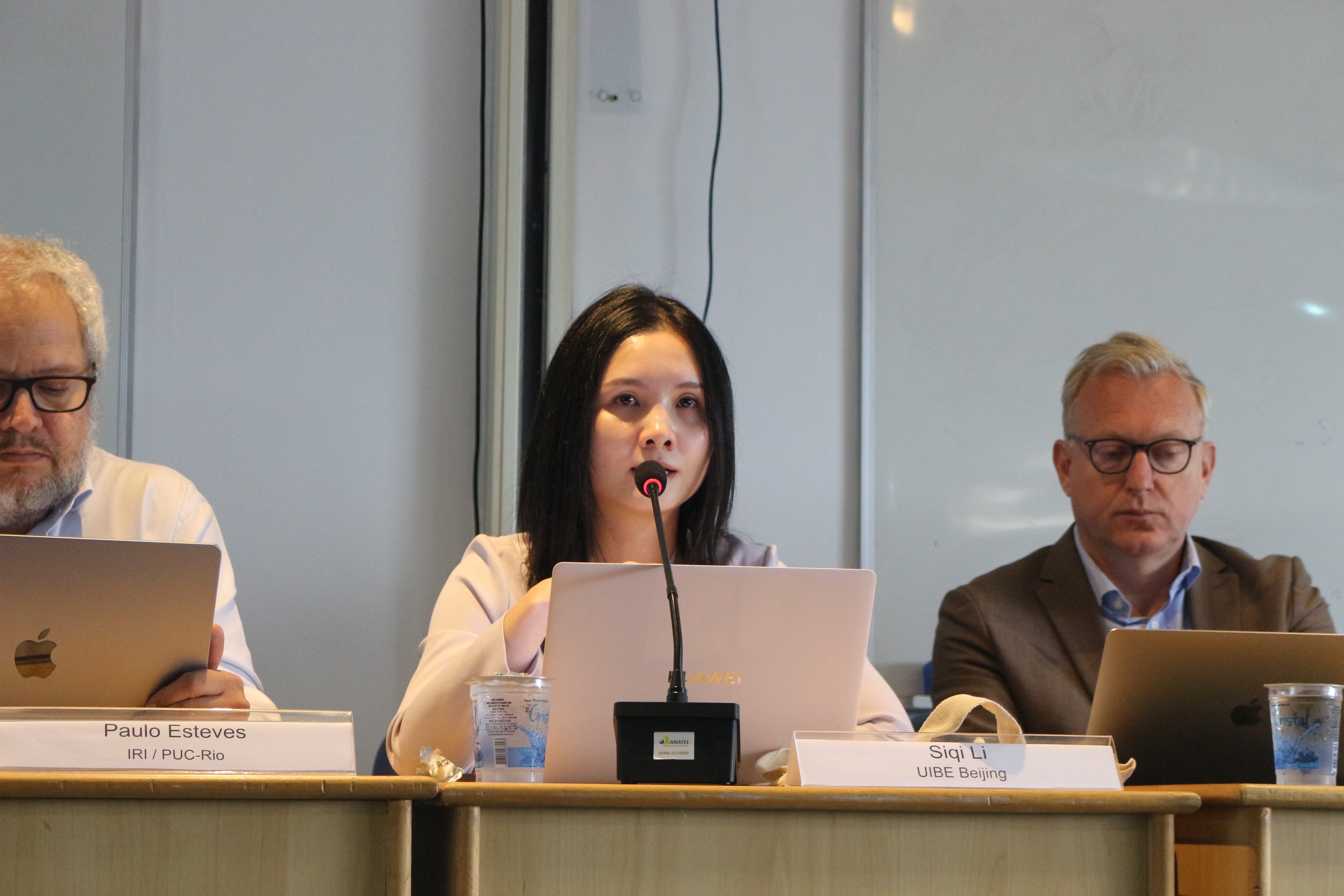
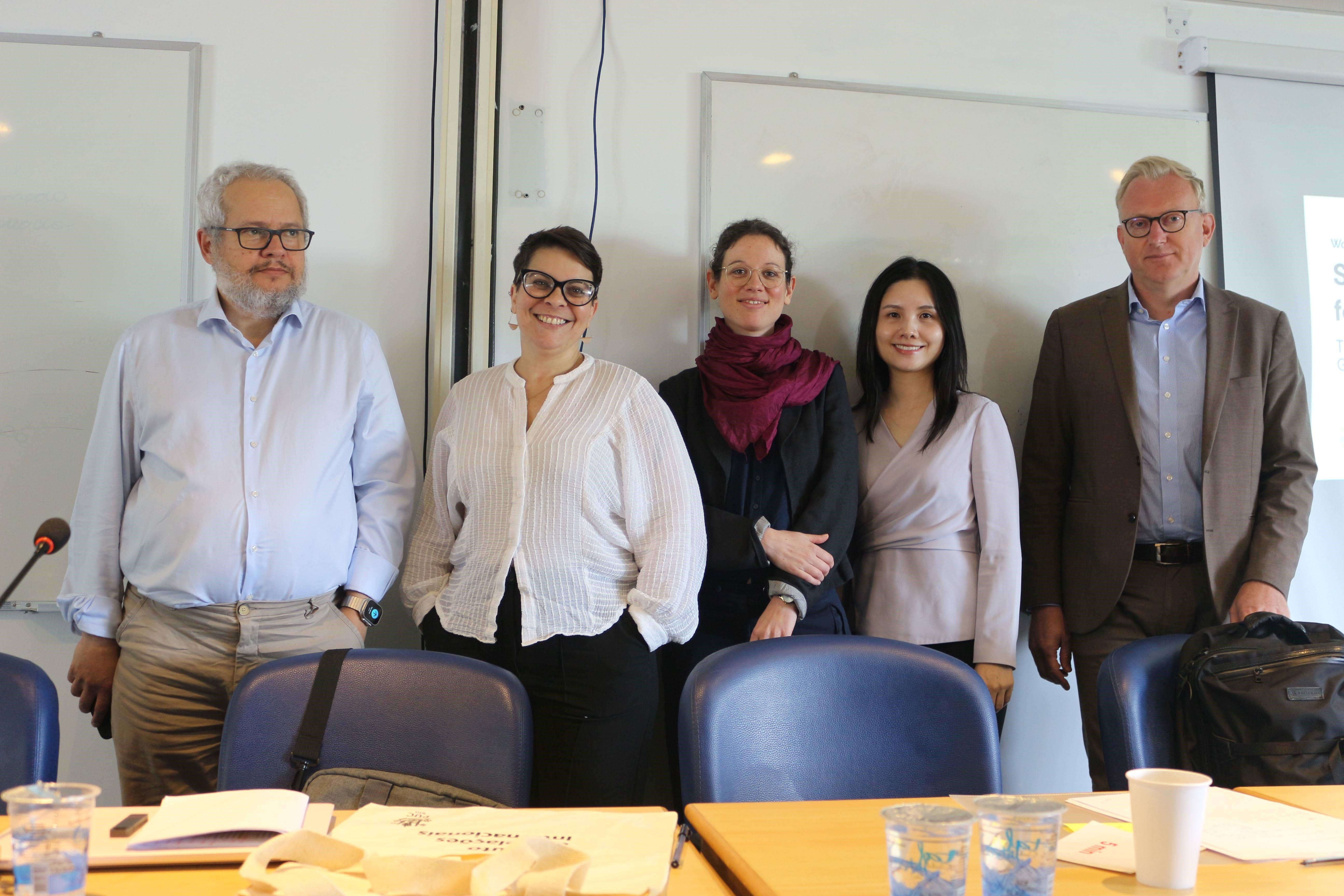
Professor Li Siqi gave a keynote speech at the seminar on "Global Trade and Inequality," analyzing the profound impact of artificial intelligence technology on the international trade landscape. She explored how technological advancements may exacerbate or alleviate global inequalities and emphasized the importance of strengthening multilateral cooperation and institutional development.
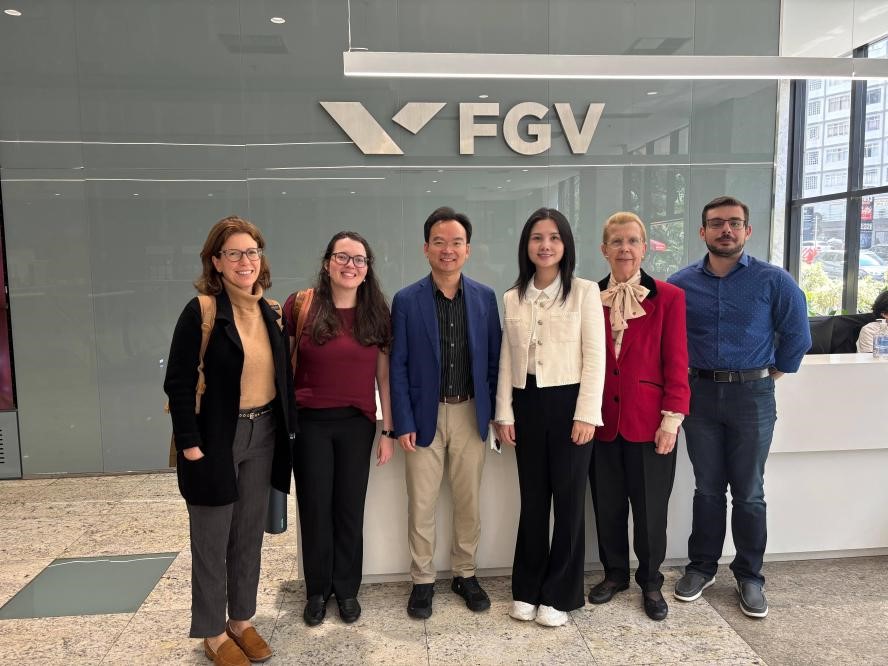
On November 9, Prof. Tu Xinquan and Professor Li Siqi visited the WTO Chairs Program in São Paulo, Brazil—the Global Trade and Investment Center. They engaged in in-depth discussions with Prof. Vera Helena Thorstensen, the WTO Chair Program host in Brazil, as well as faculty and students, addressing topics such as economic and trade cooperation between China and Brazil, and the new energy vehicle industry chain. They also explored potential collaboration between the two chairs.
This visit holds significant academic importance. As a WTO Chair, our institute aims to foster in-depth exchanges between Chinese and international scholars in the field of global trade governance, identify collaborative research areas between the WCP institutes from China and Brazil, and contribute to international academic exchanges and the production of high-quality global research outcomes.