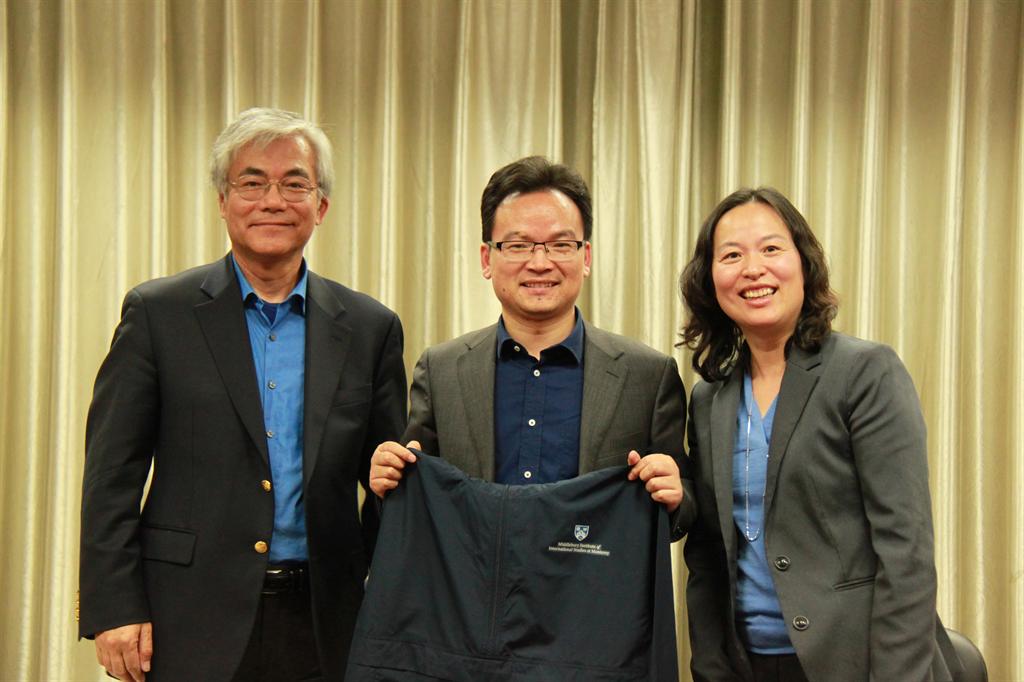
MIIS Delegation Visited CIWTO and Held an Academic Exchange Seminar
On March 23th, Prof. Liang Wei with a delegation of 17 students from MIIS visited CIWTO and an academic exchange seminar with CIWTO faculty and students was held. MIIS is located in California of the United States. It is a graduate institute with long history, high quality research and academic influence on international politics and international policy. 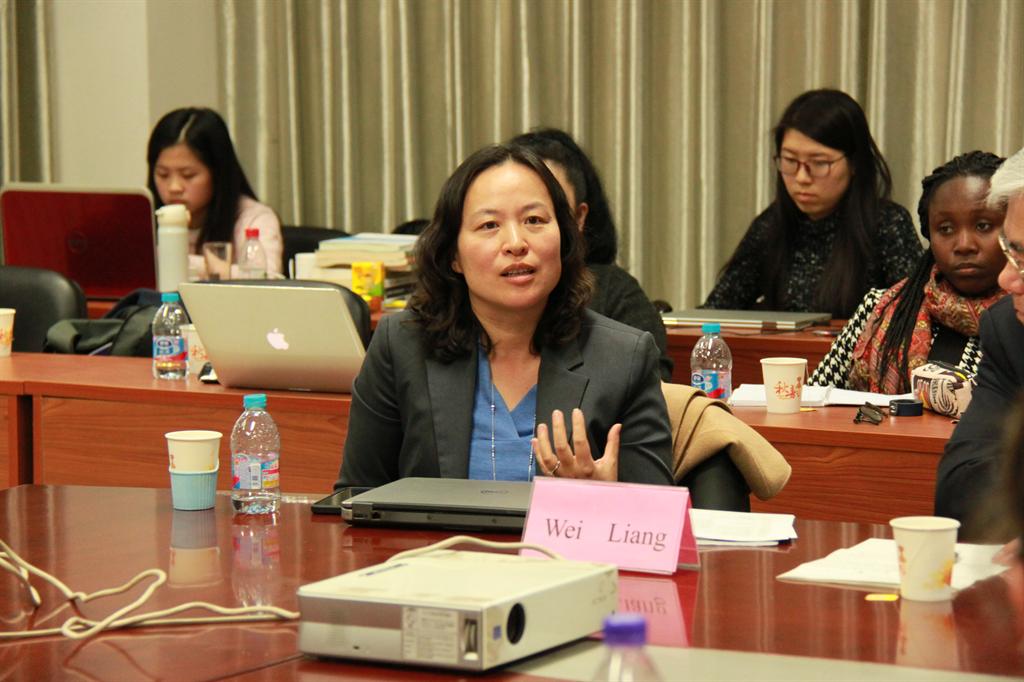
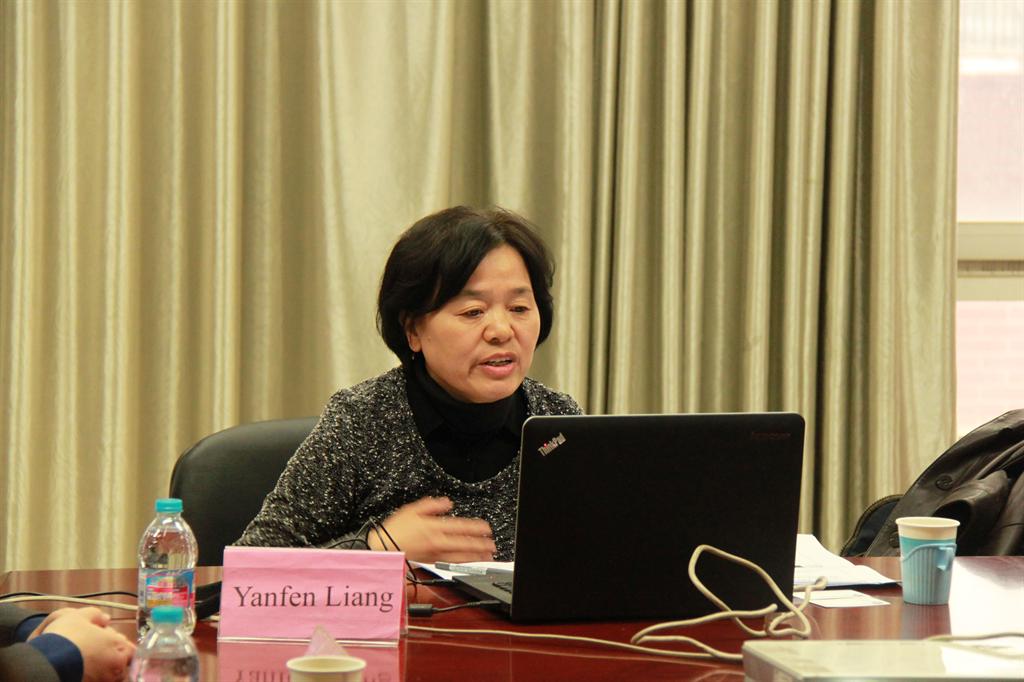
In the morning, CIWTO invited Liang Yanfen, Director of Chinese Academy of International Trade and Economic Co-operation, to give a speech on "China’s economic and trade policy towards Japan, Korea and Southeast Asia and Economic and trade relations in the Asian-Pacific Region". Director Liang regarded that the evolution of China's economic and trade policy was a microcosm of China's reform and opening-up process. FTAs were an essential part of China's opening-up strategy, which had become China's new platform, new channel and new form of opening-up after its WTO accession. China’s economic and trade relations with Japan, South Korea, the East Asia and Asia Pacific Region were also strengthened through FTAs. Regarding China’s choice between TPP and RCEP, Director Liang pointed out that East Asian countries should take RCEP as the top priority, for its ultimate goal is to promote trade liberalization in the Asia Pacific region. What’s more, compared with TPP, RCEP is more urgent, more important, and easier to implement.
 In the afternoon, Tu Xinquan, Dean of CIWTO, gave a speech on "China’s FTA strategy ". Prof. Tu referred that China had signed a series of FTAs with different countries in recent years and had made impressive achievements. China's FTA partners were not limited to the Asia Pacific region. In recent years, China has signed FTAs with Iceland and Switzerland. Prof. Tu pointed out that FTA had played important roles in enlarging exports, promoting reform through opening-up and improving China’s diplomatic relations with certain countries. However, as a tool for promoting reform through opening-up, FTA didn't work as well as WTO. Economies involved in FTAs were too small and not powerful enough to force China’s domestic reform. Therefore, while actively moving forward FTA negotiations, China should continually focus on the progress of WTO and improve multilateral and bilateral mechanisms.
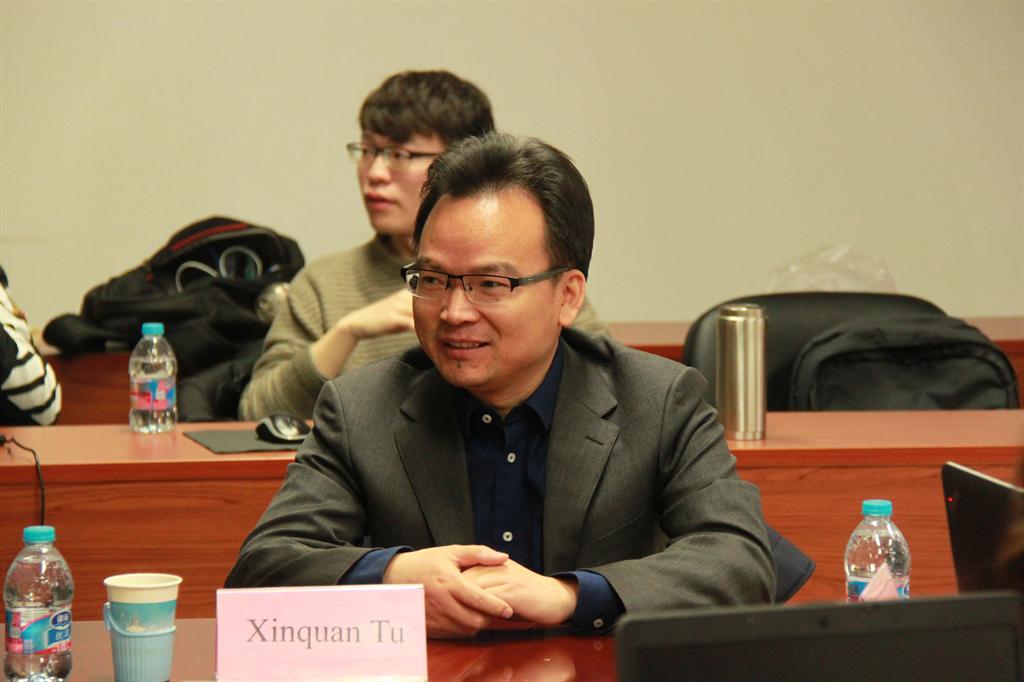 As for the question raised by MIIS students regarding Sino-Japanese political relation, Prof. Tu pointed out that political changes would inevitably affect the economic relations in a certain extent. There were historical issues between China and Japan. Both countries should face these problems, carry out economic cooperation actively, and minimize the impact of political conflict on the economy.
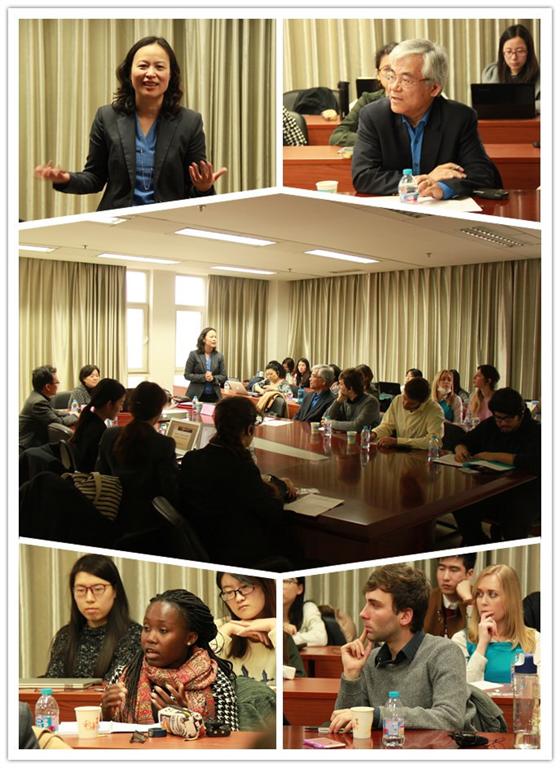 The one-day seminar ended in a friendly and warm atmosphere. It not only strengthened academic exchange and friendship between MIIS and CIWTO, but also promoted further cooperation between the two institutes on joint master’s program.