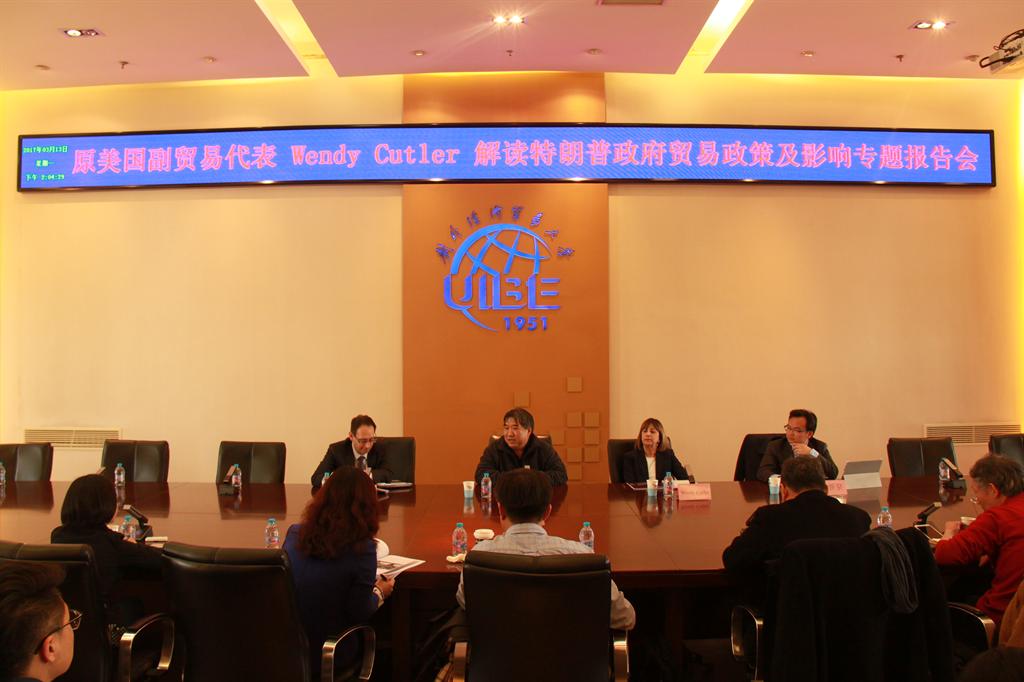
Former Deputy USTR Wendy Cutler Visits UIBE and Delivers a Speech
To deepen our understanding on current trade policy of the United States, CIWTO invited former Deputy U.S. Trade Representative (USTR) Ms. Wendy Cutler to give a speech on trade policy of Trump administration and its impact, on the afternoon of March 13. More than 50 people including Vice President of UIBE Lin Guijun, Dean of CIWTO Tu Xinquan, Dean of School of Law Shi Jingxia and Professor Yang Guohua from School of Law of Tsinghua University attended the speech. 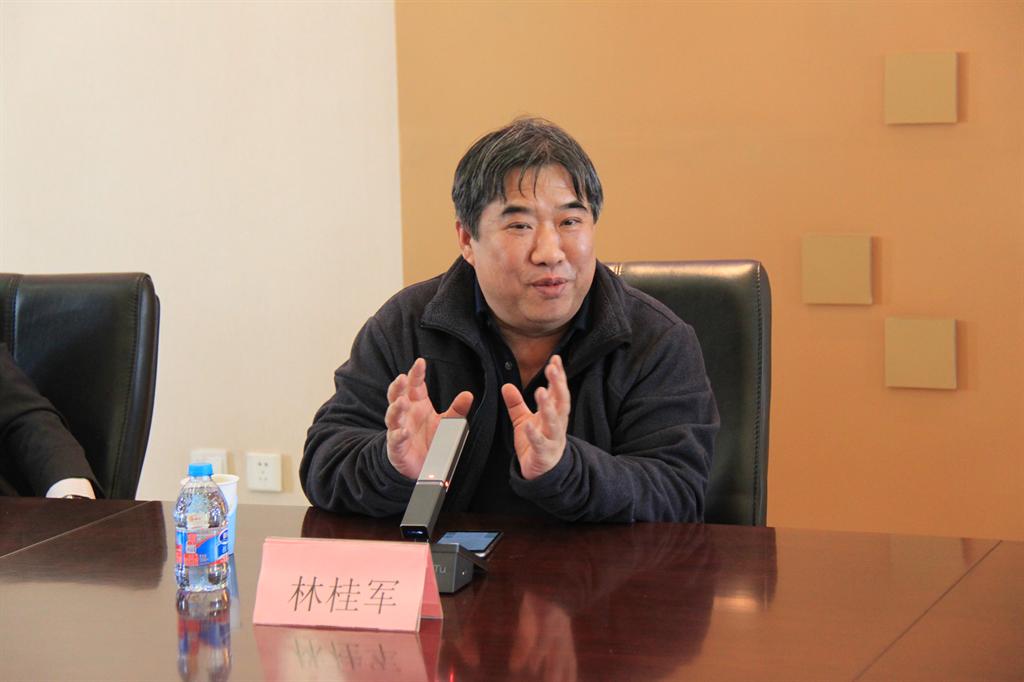 Vice President of UIBE Lin Guijun gave a welcoming speech. He welcomed Ms. Wendy Culter to UIBE and expressed his views on TPP and the role of China in international trade policies. He pointed out that with the deterioration of current international trade environment, China's economic development is now facing many obstacles, yet China's status in international trade is very important. The United States’ withdrawal from the TPP is both an opportunity and a challenge for China. China should grasp this opportunity.
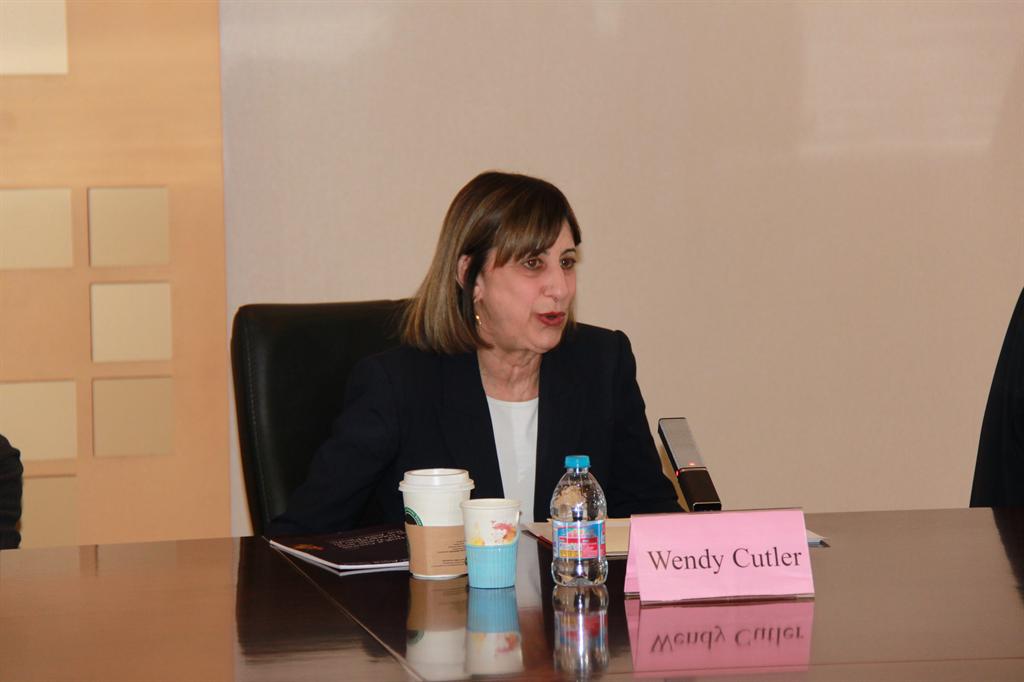
Ms. Wendy Cutler was the Acting Deputy U.S. Trade Representative and served in the Office of the U.S. Trade Representative (USTR) for almost thirty years on a range of U.S. trade negotiations and initiatives in the Asia-Pacific region. She was responsible for the Trans-Pacific Partnership (TPP) agreement, including the bilateral negotiations with Japan. Referring to her past working experience in the period of presidential transitions, she said that we all need to give this new administration time to settle down, get people on board and review policies, but she believed that this was going to be a different transition and trade policy was undergoing substantial transformation in the US. During this period, the Americans were questioning whether trade-liberalizing policies that the US had been pursuing over the past 70 years produced the result and outcome that served the interest of the US. Speaking of the re-negotiation of NAFTA, Ms. Wendy Cutler expected that some of the improvements that were accomplished through TPP would be pursued in the negotiation with NAFTA partners. There would be additional request made to Canada and Mexico, particularly to balance trade between Mexico and US. With respect to China, whether China would be designated as currency manipulator would be made clear after the next issue of US treasury report comes out in April. Besides, she expected that we might see the US trade laws more used towards China, including and not limited to anti-dumping and countervailing duties. Ms. Wendy Cutler is currently the Vice President of Asia Society Policy Institute (ASPI). She also introduced the recent publication by ASPI entitled “Charting a Course for Trade and Economic Integration in the Asia-Pacific”. The report made thorough analysis on TPP and RCEP and made several recommendations for advancing regional trade and economic integration in the Asia-Pacific region, including suggesting that member countries should work hard to raise RCEP’s standards. She also suggested that we should better communicate the benefit of globalization.
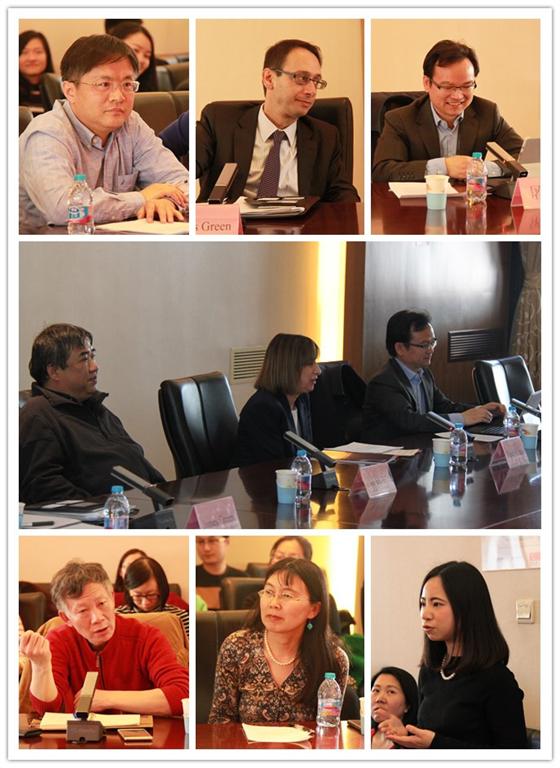
After the speech, Ms. Wendy Cutler answered the questions raised by the audience and had discussions with the audience on issues about TPP, WTO, etc. Dean of CIWTO, Professor Tu Xinquan remarked that no matter what US trade policy would be, the process of global trade liberalization would not be stopped, though we need to work hard to address the questions we now face, and we look forward to a better future of global trade liberalization.