

2025 WTO and China Annual Conference & Commemorative Conference for the 25th Anniversary of the Founding of The China Institute of WTO Studi
On December 11, the 2025 WTO and China Annual Conference & Commemorative Conference for the 25th Anniversary of the Founding of The China Institute of WTO Studies (CIWTO) of the University of International Business and Economics (UIBE), Beijing was grandly held at UIBE. More than 170 people attended the conference, including experts and scholars from the World Trade Organization (WTO), relevant government departments, universities and research institutions, industry professionals, alumni representatives, as well as teachers and students of the University of International Business and Economics (UIBE), Beijing. Focusing on the theme "The Future of the WTO and China's Role", the attending guests jointly celebrated the 25th anniversary of the founding of CIWTO, reviewed the 25-year development of the institute side by side, conducted in-depth discussions on the status quo and future of the multilateral trading system, and contributed wisdom and strength to global economic and trade governance.
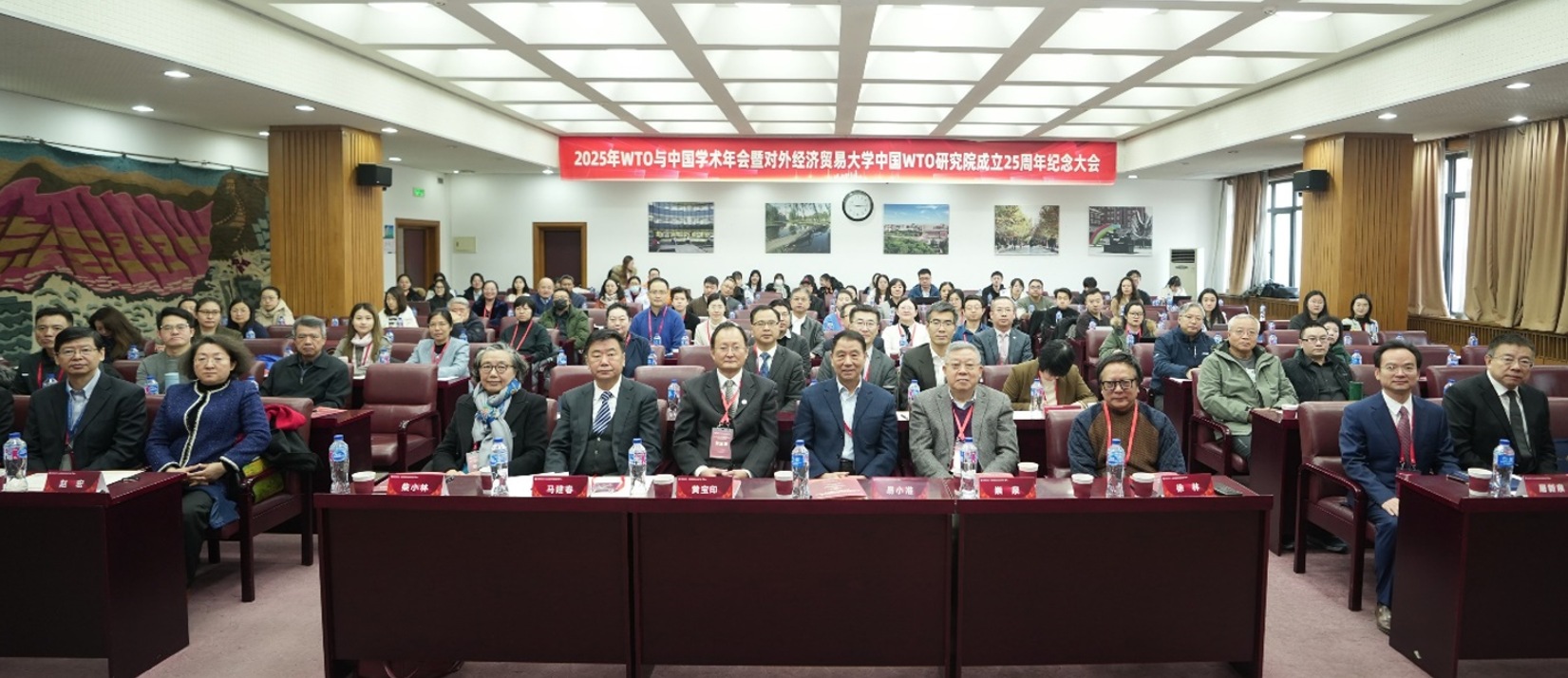
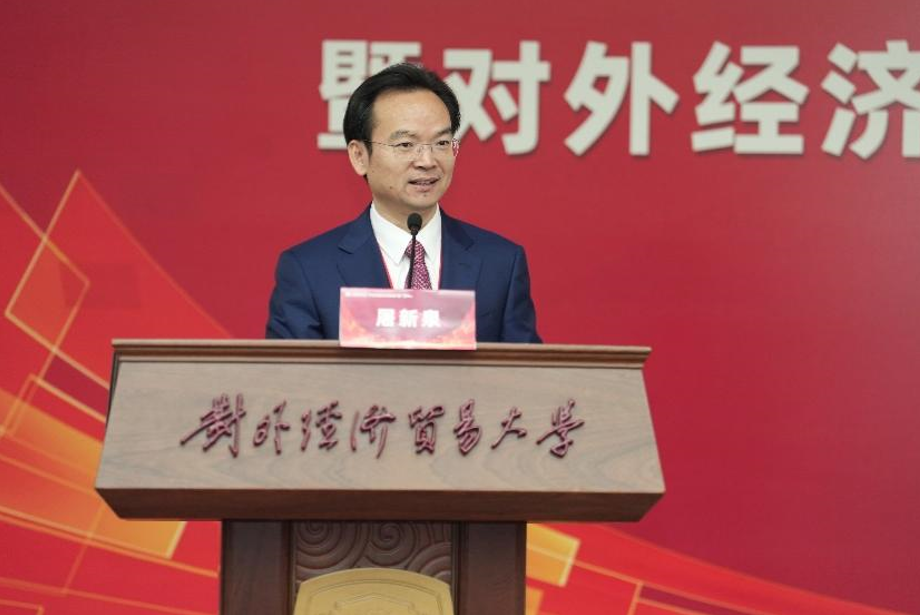
The Commemorative Conference for the 25th Anniversary of the Founding of the Institute was presided over by Prof. Tu Xinquan, Dean of The China Institute of WTO Studies (CIWTO) of UIBE. At the beginning, Dean Tu Xinquan reviewed the institute's 25-year development journey of dedicating itself to WTO research, cultivating professional talents and serving national decision-making, and expressed sincere gratitude to leaders and colleagues who had cared for, assisted and supported the development of the institute over the past 25 years. Dean Tu Xinquan stated that at a time when the WTO is facing numerous challenges, China, as the world's largest trading nation, has become a mainstay of the multilateral trading system. The institute will continue to keep its mission in mind and provide intellectual support for WTO reform and China's participation in global economic and trade governance.
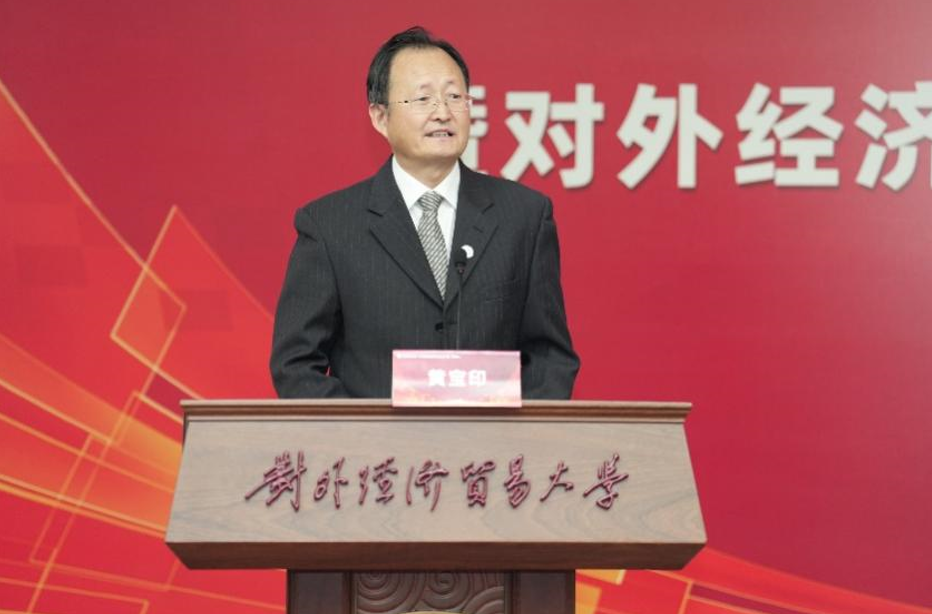
In his address, Huang Baoyin, Secretary of the Party Committee of the University of International Business and Economics (UIBE), Beijing, pointed out that this year marks the 30th anniversary of the establishment of the WTO and the 24th anniversary of China's accession to the WTO. Since its accession to the WTO, China has fully participated in global economic governance and achieved a historic leap in its own development. As the only key research base of humanities and social sciences named after the WTO under the Ministry of Education, CIWTO of UIBE has devoted itself to the research of foreign trade system for 25 years, and has been successfully selected into the third phase of the WTO Chair Programme. It has achieved fruitful results in academic research, think tank construction and talent cultivation. It is hoped that the institute will continue to stand at the forefront of the times and inject new vitality into China's participation in global economic and trade governance and the university's double first-class initiative.
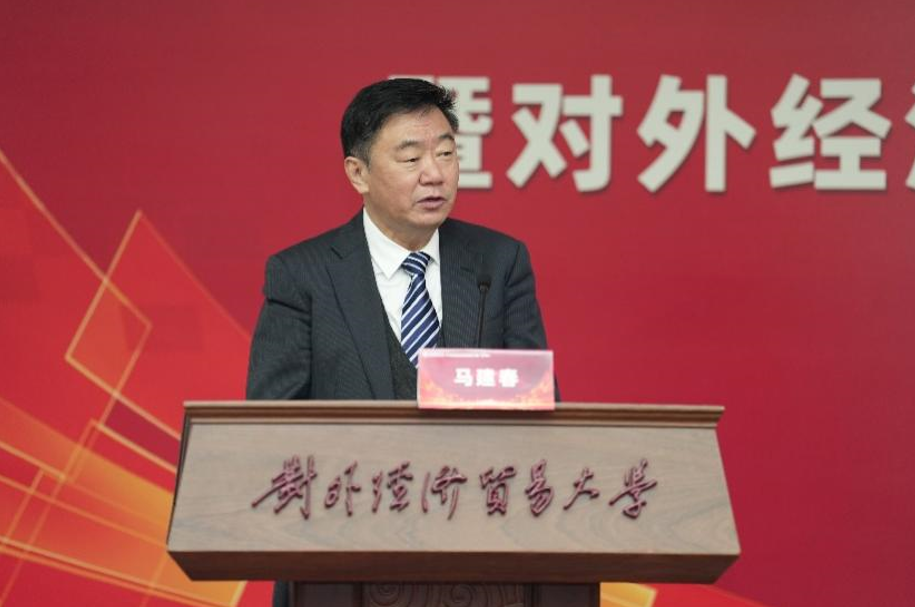
In his address, Ma Jianchun, President of the China Society for World Trade Organization Studies, stated that the development of CIWTO of UIBE is a vivid epitome of China's transformation from a learner of the multilateral trading system to a constructive contributor. At a critical stage of WTO reform, it is necessary for the government, academia and the business community to form synergy, and the institute can give full play to its role as an intellectual support and exchange platform. He looked forward to continuing to work together to offer suggestions for WTO reform and China's high-level opening-up.
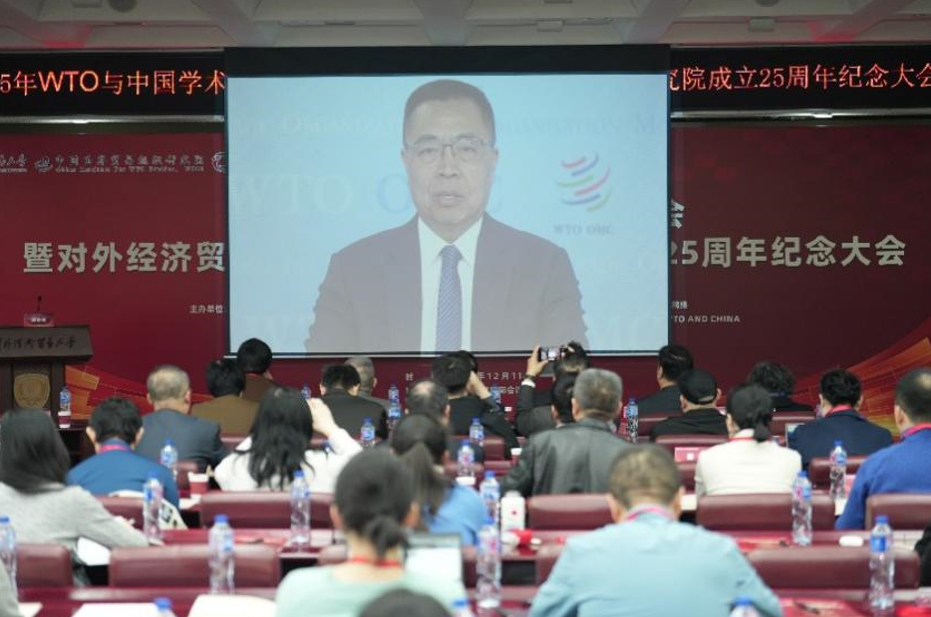
Zhang Xiangchen, Deputy Director-General of the WTO, delivered a video address to congratulate the institute on its 25th anniversary. He pointed out that the establishment of the institute 25 years ago was far-sighted and laid a solid foundation for the country's integration into the multilateral trading system. Faced with the severe challenges currently confronting the multilateral trading system, he emphasized that the core values of the multilateral trading system will not change, and WTO reform requires the wisdom of all parties and the active participation of the Chinese academic community. He expressed the expectation that the institute will continue to produce high-quality academic achievements and cultivate more economic and trade governance talents with global vision, professional competence and a strong sense of responsibility.
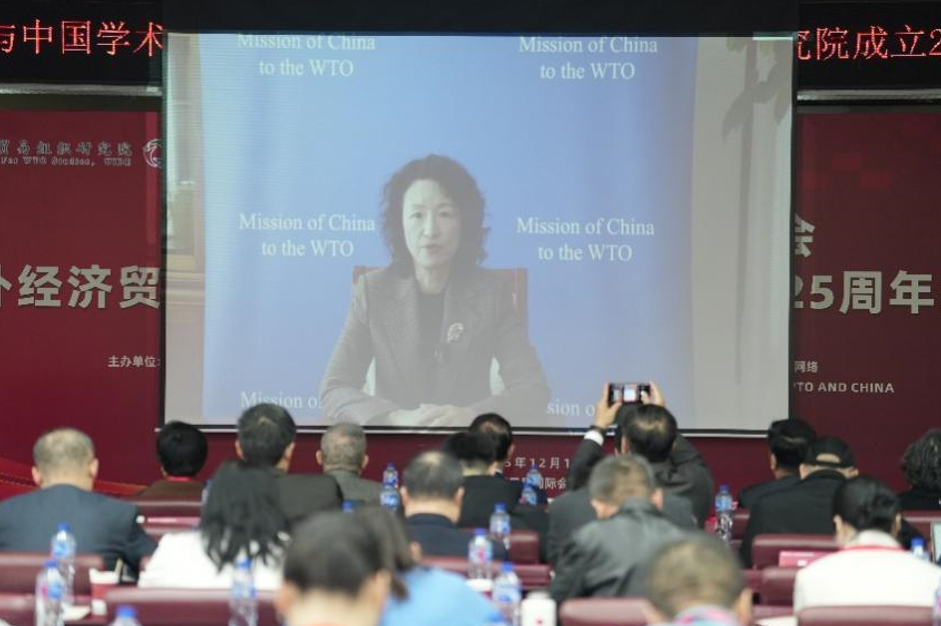
Li Yongsha, China's newly appointed Ambassador to the WTO, delivered a video address affirming the institute's outstanding achievements in teaching and research, think tank construction and talent cultivation. She analyzed the status quo and dilemmas of the multilateral trading system and reviewed China's numerous efforts in safeguarding the multilateral trading system over the past year. Li Yongsha stated that she hoped the attending teachers and students would deeply participate in the reform practice of international economic and trade governance, provide innovative theories and suggestions for China to promote the building of inclusive and inclusive economic globalization, and also hoped that the institute would cultivate more new-era professional talents with global vision, professional competence and a strong sense of responsibility.
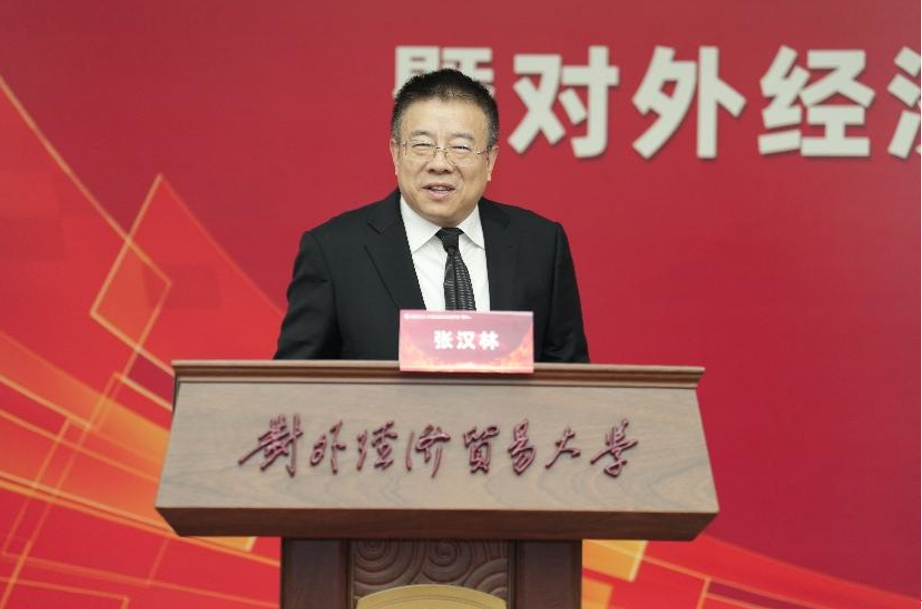
Prof. Zhang Hanlin, the founding Dean of the institute, reviewed the construction and development process of the institute since its establishment, and thanked all parties for their all-round support for the institute. He also shared his insights on globalization and China's role, pointing out that China should accelerate its development process and share its development achievements with all countries in the world.
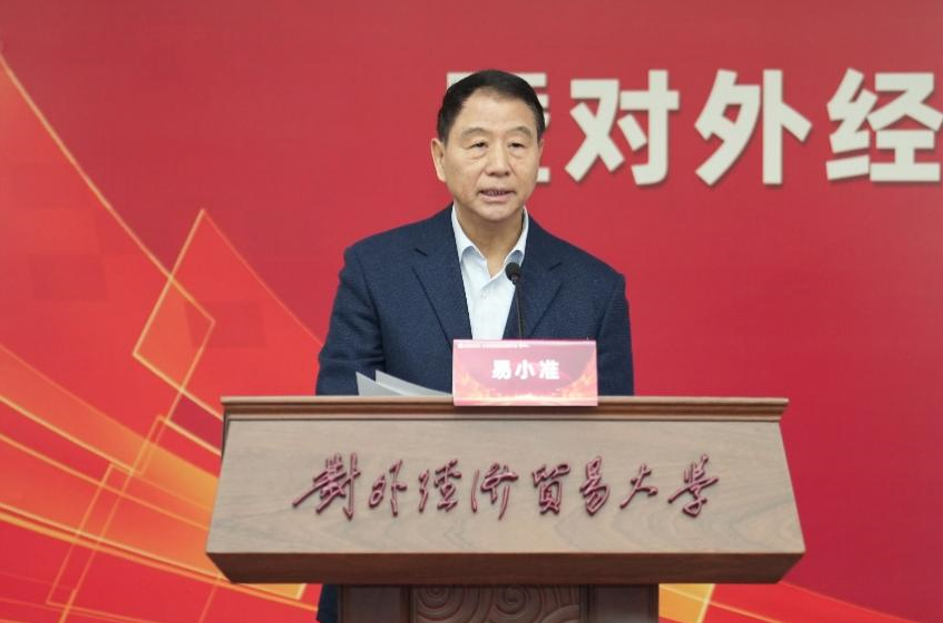
In the subsequent keynote speech session, Yi Xiaozhun, former Vice Minister of the Ministry of Commerce and former Deputy Director-General of the WTO, analyzed the core reasons for the current deadlock in WTO reform, and emphasized that China should adhere to multilateralism, promote win-win cooperation, and put forward more open and inclusive reform initiatives.
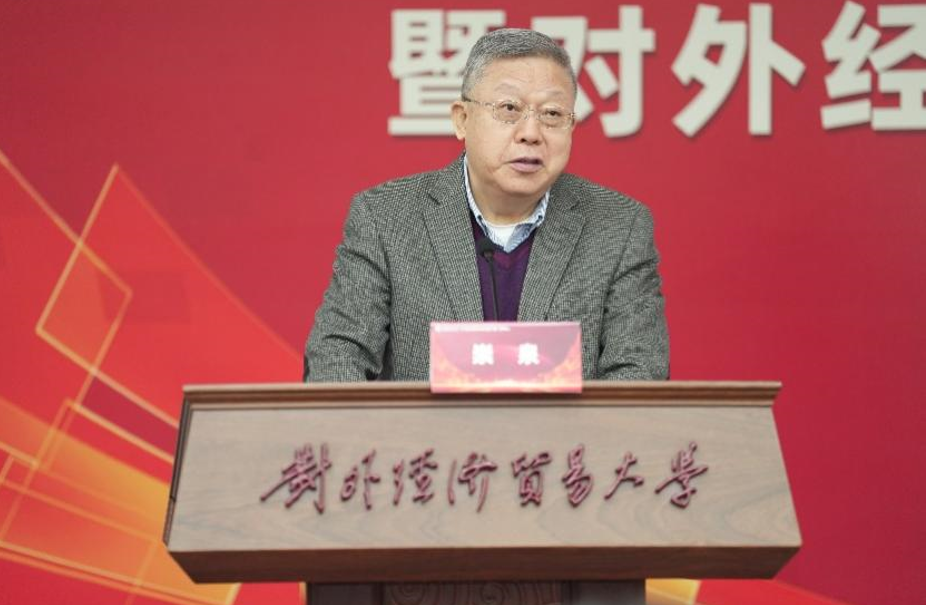
Chong Quan, former Deputy China International Trade Representative (Vice-Ministerial Level) of the Ministry of Commerce and former President of the China Society for World Trade Organization Studies, analyzed the internal and external environment facing the WTO, and pointed out that China should maintain strategic focus and act in accordance with the trend to promote new progress on key issues such as duty-free treatment for electronic transmissions and the Agreement on Investment Facilitation for Development.
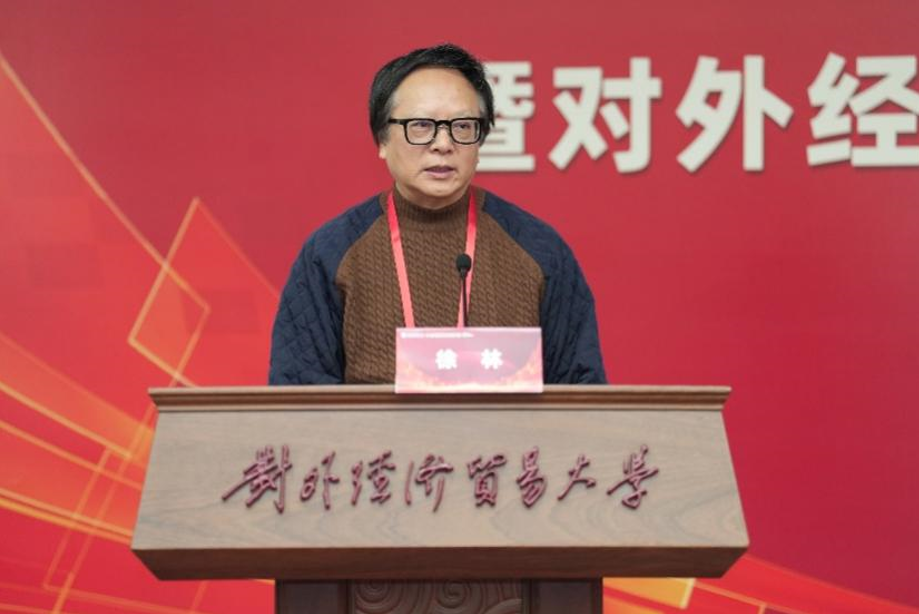
Xu Lin, former Director of the Department of Planning of the National Development and Reform Commission and Chairman of the China-US Green Fund, reviewed China's trade development achievements since its accession to the WTO, emphasizing that the core of institutional opening-up is to align with international rules and practices. China needs to deepen supply-side structural reform and promote the quality and upgrading of industrial policies and subsidy mechanisms.
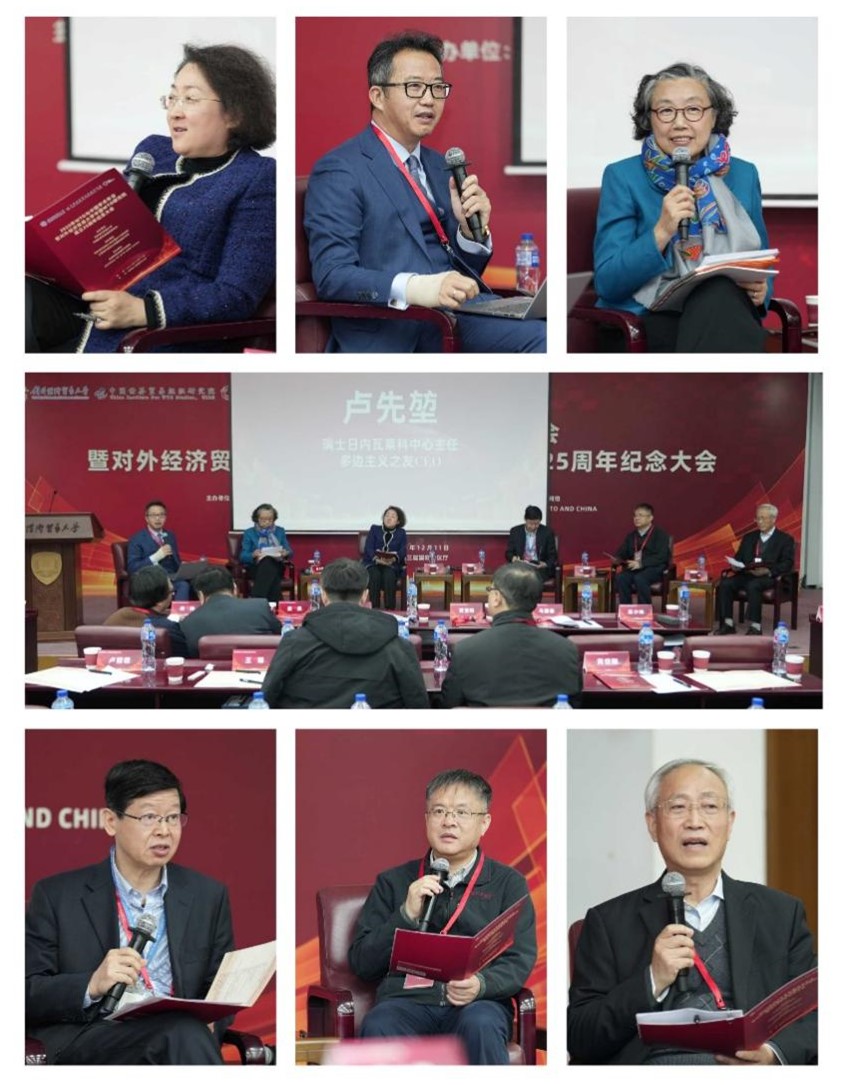
The round-table forum was presided over by Lu Xiankun, Director of the Lacol Center in Geneva, Switzerland and CEO of Friends of Multilateralism. Many experts and scholars held in-depth discussions on the topic "China's Factors in WTO Transformation and China's Proposals for WTO Reform". Chai Xiaolin, former Director-General of the WTO Department of the Ministry of Commerce and former Director of the WTO Council for Trade in Services, reviewed China's numerous efforts and achievements in promoting the Agreement on Investment Facilitation, and on this basis, emphasized China's transformation process from a rule-taker to a rule-leader. Prof. Zhao Hong from the Law School of Peking University, former Chair and Judge of the WTO Appellate Body, emphasized the important role of talent teams in the development of WTO research, and shared her insights from the macro perspective of the WTO's mission against the background of global changes and the micro perspective of WTO rule negotiations. Hong Xiaodong, former Director-General of the WTO Department of the Ministry of Commerce and expert of the China Society for World Trade Organization Studies, analyzed "China's Development Proposals" in the context of WTO reform, emphasizing that China should effectively pay attention to the demands of developing members and play an active role in leading inclusive growth. Prof. Yang Guohua from the Law School of Tsinghua University, former Deputy Director-General of the Department of Treaty and Law of the Ministry of Commerce, focused on the Multi-Party Interim Appeal Arbitration Arrangement (MPIA), suggesting that the MPIA should focus on the critical mass, grasp the scale of operation, strengthen rule review, and enhance the effectiveness and recognition of the mechanism. Ni Hongxing, former Director of the Agricultural Trade Promotion Center of the Ministry of Agriculture, analyzed the status quo and trends of WTO agricultural negotiations, calling for negotiations to adhere to a market-oriented approach and innovate negotiation ideas in combination with green development and the scientific and technological revolution.
On the afternoon of December 11, the attending experts carried out special seminars on two major topics: "Sino-US Geopolitical Competition and the Restructuring of the International Trading System" and "China's Institutional Opening-up and the Future of Economic Globalization".
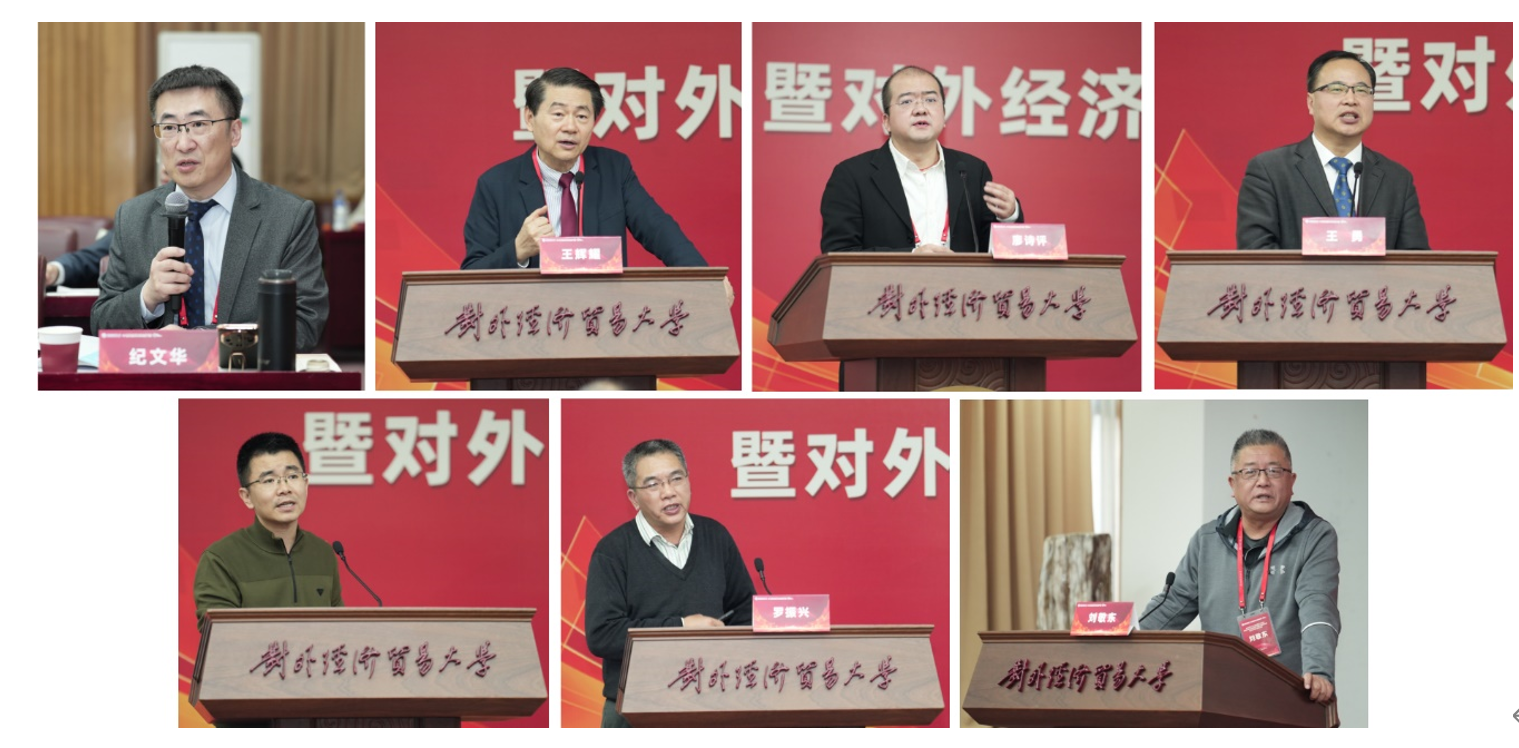
“The special seminar on "Sino-US Geopolitical Competition and the Restructuring of the International Trading System" was presided over by Prof. Ji Wenhua, Professor from the Law School of UIBE and Co-Host of the WTO Chair at UIBE. Wang Huiyao, former Counselor of the State Council and Chairman of the Center for China and Globalization, pointed out that it is of great significance and has broad development space for China and the United States to reach a new strategic balance, and that China should play a greater leading role in leading green globalization and promoting the building of a new type of international relations. Prof. Liao Shiping from the Law School of Beijing Normal University pointed out that against the background of fragmentation and confrontation in international trade rules, attention should be focused on the commonalities and differences of trade policies under the situation of geopolitical competition. Prof. Wang Yong from the School of International Studies of Peking University pointed out that the current Sino-US relations are in a "three new" stage of a new balance of power, a new direction of relations and new confidence, noting that China and the United States will seek paths to expand cooperation in the future and promote the building of a sound competitive and cooperative relationship. Prof. Li Wei from the School of International Studies of Renmin University of China focused on analyzing the strategic considerations and diplomatic objectives of President Trump's visit to East Asia, pointing out that China needs to continue to strengthen its bargaining power on the international economic stage and seize opportunities. Luo Zhenxing, Associate Researcher at the Institute of American Studies of the Chinese Academy of Social Sciences, conducted an in-depth analysis of the various development stages of Sino-US strategic competition and the evolution of the US strategy toward China, pointing out that Sino-US economic and trade strength is in a new stage of dynamic adjustment and reciprocal balance. Liu Jingdong, Researcher at the Institute of Law of the Chinese Academy of Social Sciences, analyzed the underlying reasons for Sino-US competition and cooperation from the perspectives of the United States and the East respectively, proposing that China should focus on promoting global economic and trade rule negotiations to achieve a "win-win" and "multi-win" situation.
The special seminar on "China's Institutional Opening-up and the Future of Economic Globalization" was presided over by Prof. Li Siqi from The China Institute of WTO Studies (CIWTO) of UIBE. Prof. Liu Qing from the School of Economics of Renmin University of China introduced the transformation process of US economic policies, emphasizing that it is necessary to correctly understand the changes in US economic governance trends, and timely judge and adapt to the new situation of globalization and the development trend of the scientific and technological revolution. Luo Yuze, Deputy Director of the Foreign Economic Relations Department of the Development Research Center of the State Council, pointed out that China's institutional opening-up needs to focus
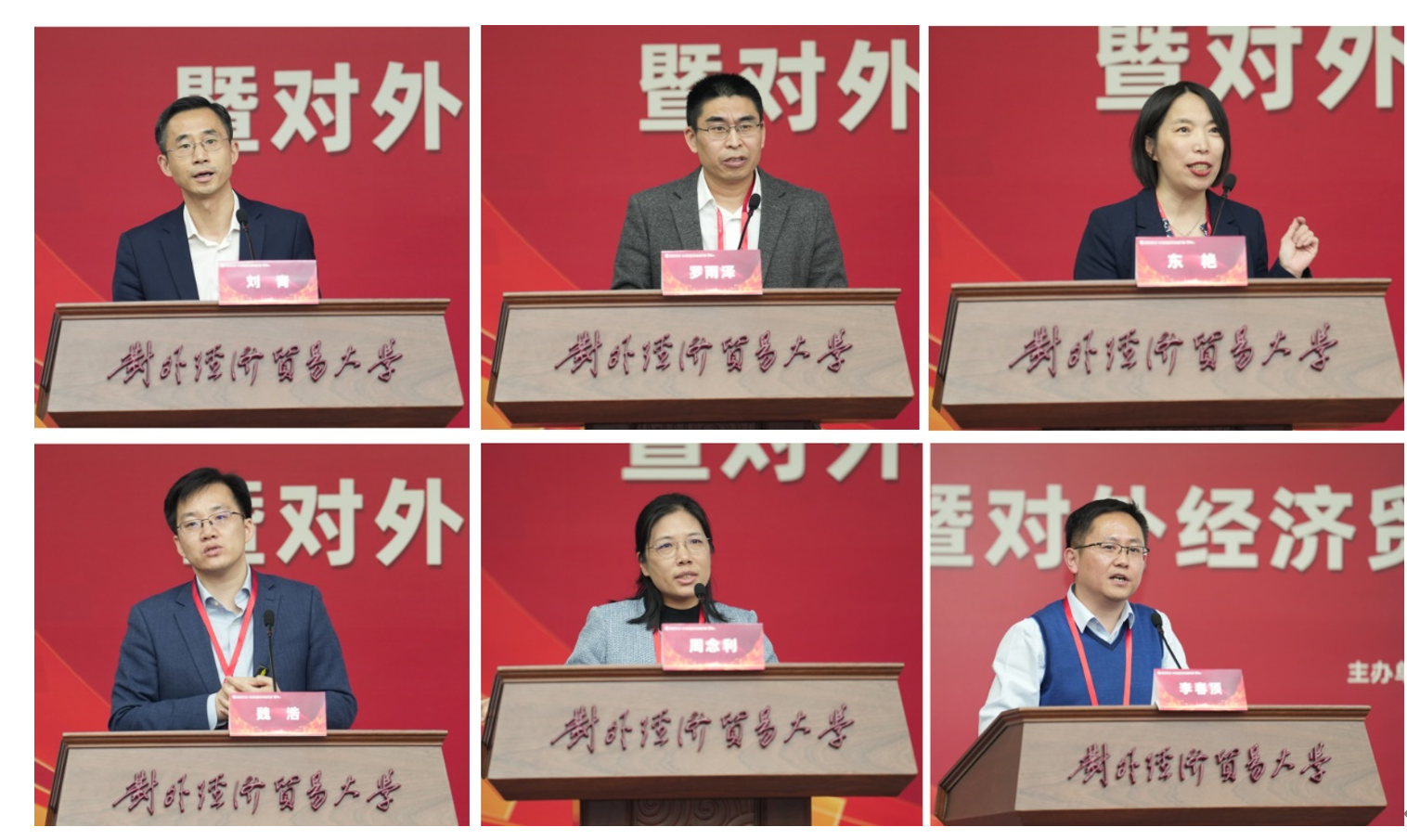
more on key players, the fundamentals and systematicness to build a balanced and sustainable trade pattern. Dong Yan, Researcher at the Institute of World Economics and Politics of the Chinese Academy of Social Sciences, pointed out that against the background of China's economy entering a new stage of development, the perspective of institutional opening-up should be deepened from the macro level to the meso and micro levels, focusing on its empowering role in new quality productive forces and industrial development. Prof. Wei Hao from the School of Economics and Business Administration of Beijing Normal University analyzed the policy background, development potential of China's import expansion policy and its development strategy in the context of institutional opening-up. Prof. Zhou Nianli from The China Institute of WTO Studies (CIWTO) of UIBE shared the paths and strategies for promoting the opening-up of trade in services from the perspective of aligning with high-standard international economic and trade rules. Prof. Li Chunding from the College of Economics and Management of China Agricultural University conducted an in-depth analysis of the important role of institutional opening-up in promoting high-quality economic development.
Finally, Dean Tu Xinquan concluded that the conference celebrated the 25th anniversary of the founding of the institute with colleagues. Next year will mark the 25th anniversary of China's accession to the World Trade Organization, and this academic annual conference will continue to build a platform, continue discussions and pool wisdom to provide China's proposals for safeguarding the multilateral trading system.
This academic annual conference was co-hosted by the University of International Business and Economics (UIBE), Beijing and the China Society for World Trade Organization Studies, jointly organized by The China Institute of WTO Studies (CIWTO) of UIBE and the School of International Organizations of Shanghai University of International Business and Economics, and co-organized by the Global Research Network on Economic and Trade Governance and the Journal of WTO and China. Since the founding of the institute, the WTO and China Academic Annual Conference has been successfully held for 24 sessions, and has become an important platform for experts in relevant fields at home and abroad to discuss WTO issues and the multilateral trading system, providing new perspectives and cutting-edge information for policy formulation and academic research.